TRANSFORMING HOMES SINCE 2007
PART OF THE EXPRESS GROUP
DEDICATED SUPPLY & INSTALL SERVICE
Overview
Do you need planning permission for a glass room? Often no, as many glass garden rooms fall under permitted development rules. This depends on height, size, position, and use. If the structure exceeds limits, is attached as an extension, or is in a protected area, planning permission may be required. Understanding these rules early helps avoid delays and ensures a smooth installation.
A glass room is a popular way to add light-filled living space without committing to a full home extension. One of the most common questions homeowners ask is: do you need planning permission for a glass room?
In many cases, the answer is no. However, this depends on factors such as size, location, and how the space will be used. This guide explains the rules around permitted development, when permission is required, and what to consider before starting your project.

What Is a Glass Room?
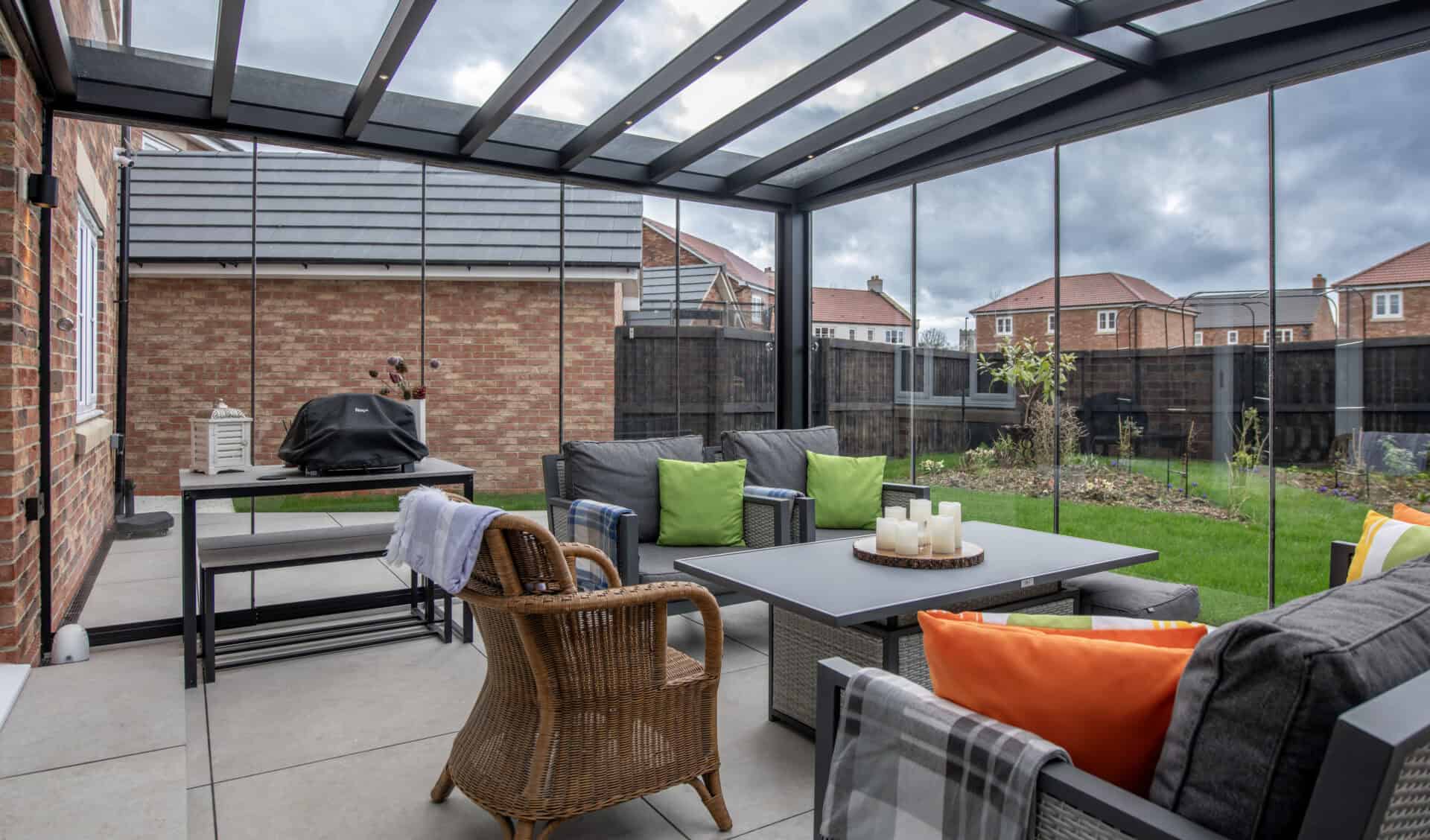
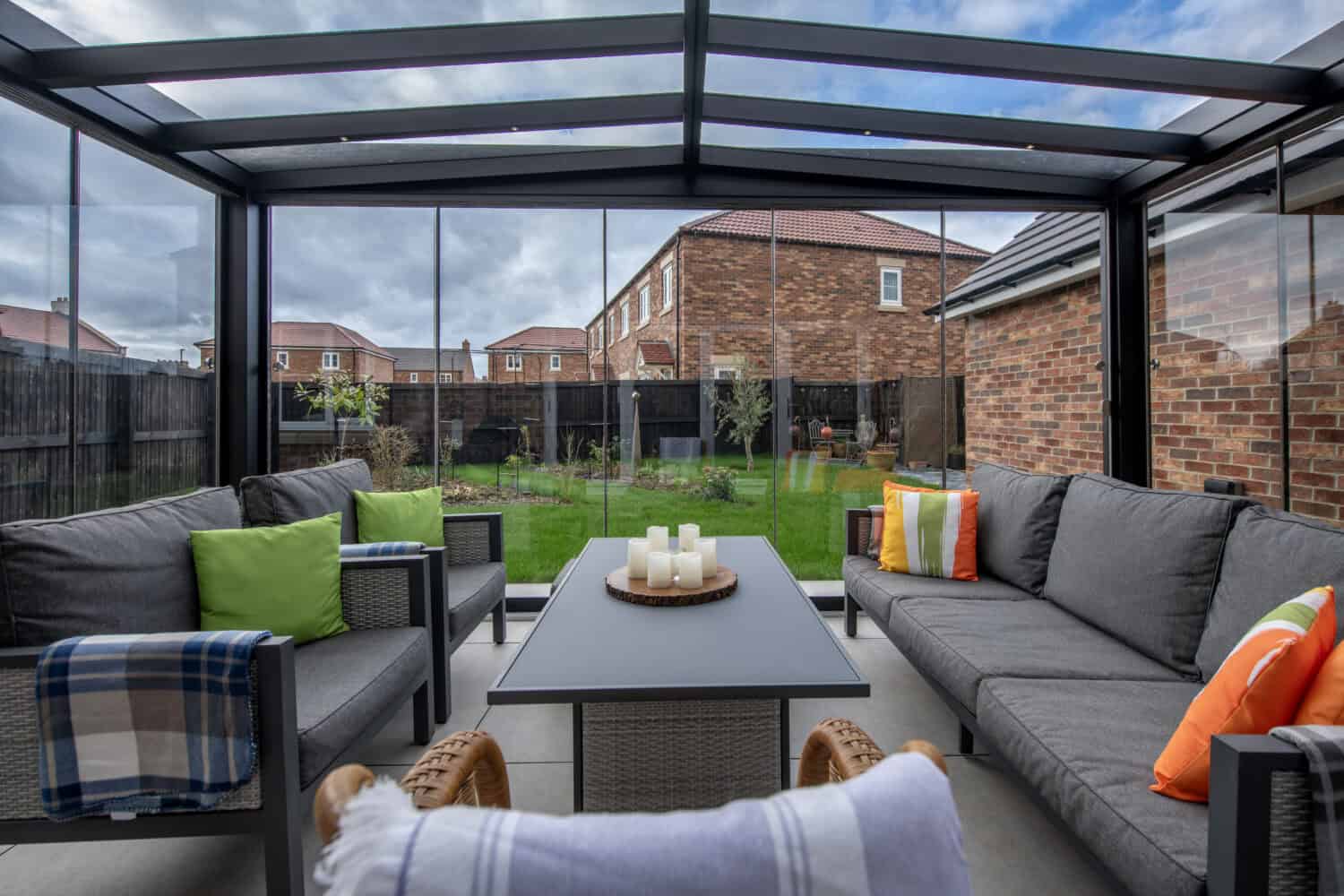
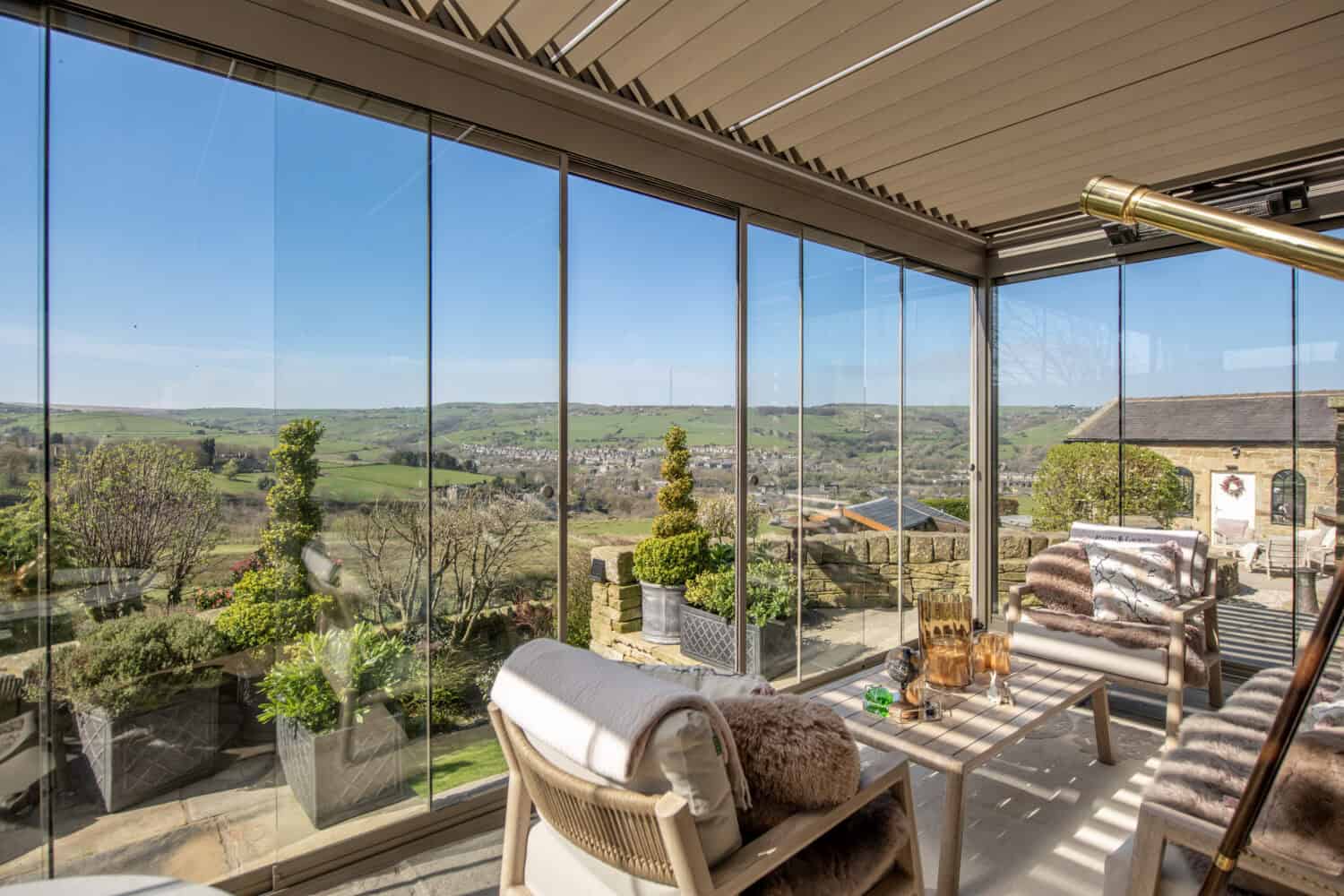
A glass garden room is a structure made primarily from glazed panels and slim aluminium frames, designed to maximise natural light and garden views.
Modern systems differ from traditional conservatories by offering:
- High-performance triple or double glazing for better insulation
- Insulated roof options for year-round use
- Flexible layouts, either attached to the home or standalone in the garden
These spaces can function as lounges, offices, dining areas, or relaxation zones.
Do You Need Planning Permission for a Glass Room?
When Planning Permission Is Not Required
Many glass garden rooms fall under permitted development rights, meaning you can build without formal planning approval if you meet certain criteria:
- The structure does not exceed height limits (typically 2.5m if within 2m of a boundary)
- It is not built in front of the main elevation of the house
- It does not cover more than 50% of the total garden area
- It is used as an incidental space (e.g. office, gym, lounge-not a primary residence)
If your project meets these conditions, you can usually proceed without applying for planning permission.

When Planning Permission Is Required
You will likely need planning approval if:
- Your property is listed or in a conservation area
- The structure exceeds permitted height or size limits
- The design is intended as a self-contained living space
- The glass room is attached and classified as a home extension
In these cases, consulting a specialist or your local planning authority early is strongly recommended.
Glass Room vs Home Extension
Understanding the distinction is key for planning and cost:
- Glass garden room: Typically simpler, quicker to install, and often falls under permitted development
- Home extension: Alters the main structure of the house and usually requires planning permission and building regulations approval
A garden room extension offers a flexible middle ground, especially for homeowners seeking additional space with minimal disruption.
Benefits of a Glass Garden Room
Natural Light
Large, glazed panels maximise daylight, improving both the new space and adjacent interior rooms.
Flexible Use
Suitable for work, relaxation, dining, or hobbies, adapting to changing needs over time.
Year-Round Use
With insulated glazing and roofing, glass rooms can function comfortably in all seasons.
Indoor-Outdoor Connection
When sliding or bifold doors are included, they help create an easy transition between the home and garden. This keeps the space feeling open and connected, while also improving access and flow throughout the spaced.
Key Design Considerations for Glass Rooms
Size and Position
Placement affects both how the space is used and how it may be viewed for planning purposes. A structure positioned close to the house may be more likely to be treated as an extension, while one set further into the garden can often feel more independent.
Glazing and Doors
Door systems shape ventilation, access, and the connection with the garden. Frameless sliding doors, bifold doors, and glass to lean roofing can all establish a strong visual impact while helping the space feel open and connected.
Insulation
For year-round use, thermally efficient glazing and roofing are essential. Here at Exterior Spaces, our thermally broken aluminium and premium double glazing help support comfort, energy performance, and long-term use.

Intended Use
How the space will be used also matters. Areas designed for leisure are more likely to fall within permitted development than fully serviced living spaces, so it is worth thinking about the purpose of the room early on.
Expert Insight on Glass Rooms from Exterior Spaces
“Understanding whether you need planning permission for a glass room is an important first step,” says Steve Bromberg, Managing Director at Exterior Spaces.
“In many cases, projects fall within permitted development, but every property is different. Considering size, position, and intended use early helps avoid delays and ensures a smooth installation.”

How Much Do Glass Rooms Cost?
Costs vary depending on several factors:
- Size and layout
- Type of glazing and roof system
- Groundworks and base preparation
- Heating and electrical installation
For accurate pricing, a tailored quote based on your property and requirements is essential.
Glass Room Extension Ideas
If you are considering different ways to add a glass room, there are several options worth exploring. The right choice will depend on the size of your plot, how you plan to use the space, and the overall look of your property.
Consider:
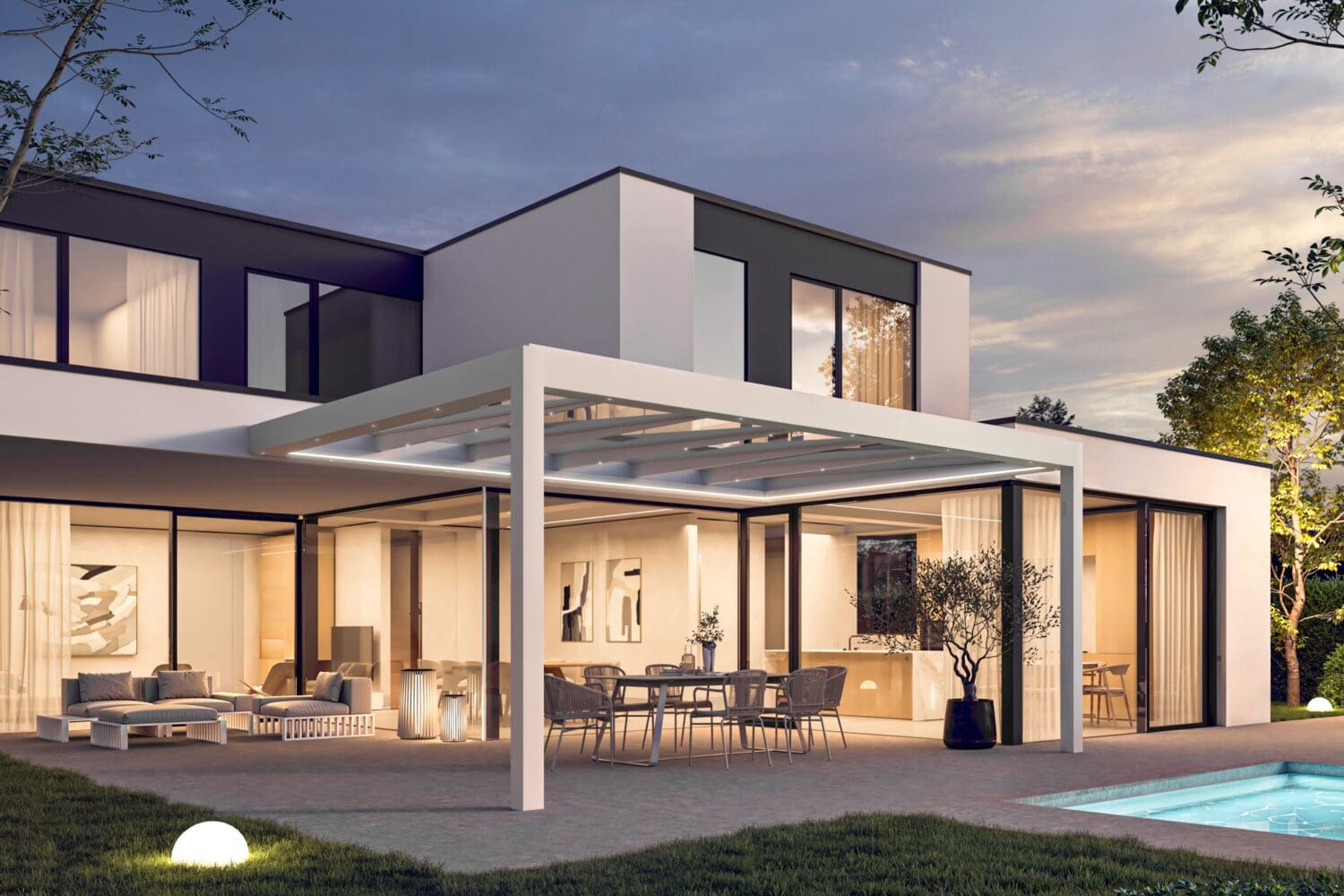
- A glass roof pergola for a light open structure.
- A glass veranda to create a clear link between house and garden.
- A standalone garden room set within landscaped space.
Each option has different planning and design implications, so it is important to think about position, scale, and intended use before deciding which route suits your project best.
FAQs
Do you need planning permission for a glass room?
In many cases, no. A glass room may fall within permitted development rights, but this depends on size, height, placement, and intended use.
Can a glass room be attached to the house?
Yes, but attaching it to the house may change how the project is classified and could affect planning requirements.
Can a glass garden room be used all year round?
Yes, if it is designed as an insulated garden room with suitable glazing, heating, and roofing
What affects the cost of a glass room?
Size, glazing specification, insulation, groundworks, heating, and electrical installation all affect the final cost.
Will a glass room add value to my home?
It can improve appeal by adding usable space and natural light, although value depends on the property and quality of the design
What doors work best with a glass garden room?
Sliding doors and bifold doors are both popular because they improve access and strengthen the connection to the garden.
So, do you need planning permission for a glass room? In many situations, the answer is no, as long as your design stays within permitted development rules. That said, details such as size, placement, and intended use can affect whether approval is required.
Taking time to plan these elements early helps avoid delays and helps keep your project on track. A well-designed glass garden room offers a bright, flexible space that adds usable living area without the complexity of a full extension.
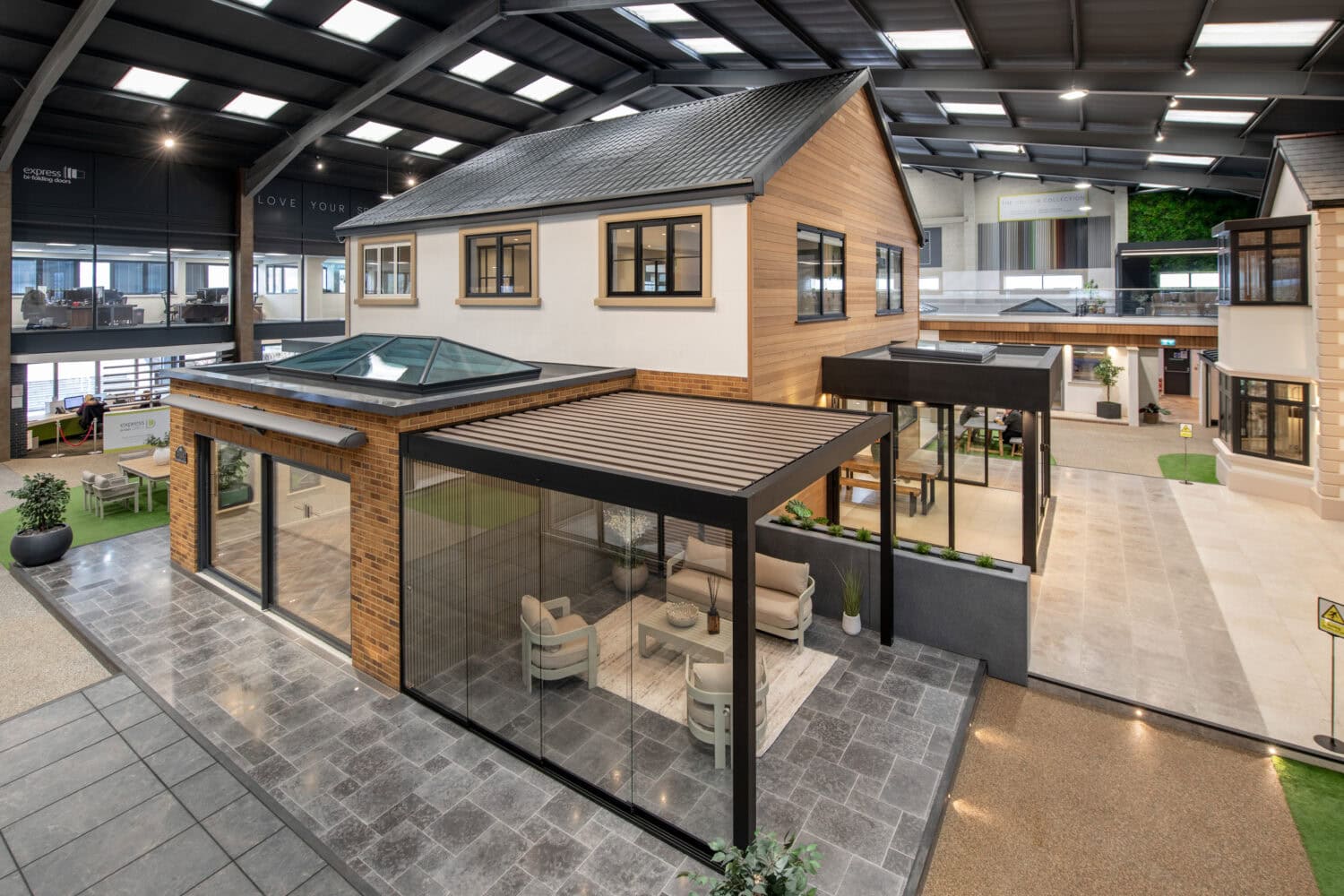
If you are considering a project, speaking with our expert team here at Exterior Spaces can help you move forward with confidence. Visiting the showroom allows you to explore different glass room designs, glazing options, and door systems in person, helping you choose the right solution for your home.