TRANSFORMING HOMES SINCE 2007
PART OF THE EXPRESS GROUP
DEDICATED SUPPLY & INSTALL SERVICE
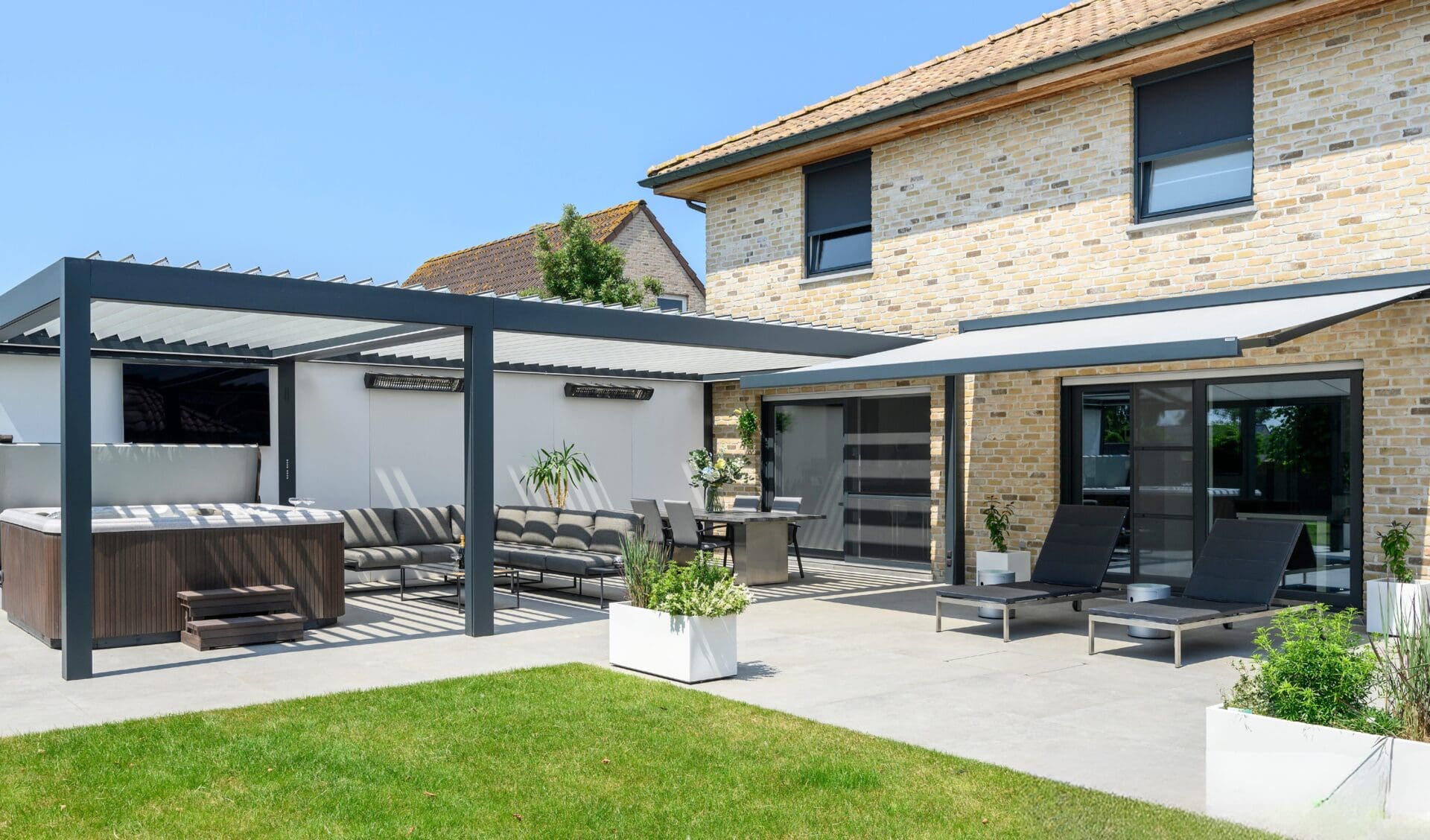
Garden trends in 2025 reflected a clear shift in how people across the UK used their outdoor space. This was the year gardens became an everyday extension of the home rather than a space saved only for summer weekends. Homeowners invested with purpose, focusing on long term value, flexibility, and year-round use. At Exterior Spaces, we saw strong demand for adaptable structures, climate aware layouts and refined architectural additions that support modern living.
Here, we look back at the most influential 2025 garden trends and how they shaped outdoor design across the country.
The Top 6 Garden Trends of 2025
1) Multi-functional Living Spaces
One of the most significant garden trends of 2025 was the move towards spaces that work across multiple parts of daily life. Gardens were no longer seen as single use areas. Instead, they became places to work, host guests, relax with family and enjoy quiet time.
How homeowners created multi-functional garden spaces
- Garden rooms serving as gyms, offices, and weekend social spaces
- Sliding and bifold doors allowing full seasonal flexibility
- Aluminium outdoor structures designed for both enclosed and open-air use
- Layouts that support both quiet time and entertaining
Aluminium pergolas played a central role in this shift, particularly bioclimatic pergolas. With integrated heating, lighting, and adjustable louvres, one structure could host dining, evening drinks, remote work, or quiet reading without compromise.
In short: Flexibility sat at the heart of this movement, allowing households to get more value from every square metre of outdoor space.

2) Sustainability
Sustainability moved beyond a design trend and became a core decision driver in 2025. Clients wanted materials that last, structures with low lifetime impact and layouts that reduce energy use across the home.
Sustainable choices shaping garden design
- Aluminium structures for durability and recyclability
- Glass verandas and pergolas built for long-term performance
- Permeable paving for improved drainage
- Rainwater harvesting systems
- Drought-tolerant planting schemes
Aluminium remained a leading material choice due to its strength, longevity, and minimal maintenance requirements.
In short: Sustainability in 2025 was not about compromise. It was about making sound design decisions that benefit both the home and the wider environment.
3) Biodiversity & Regenerative Gardening
Another defining feature of garden trends in 2025 was a renewed focus on nature. Property owners moved away from purely decorative planting in favour of gardens that support local wildlife and improve soil health.
Popular biodiversity-led garden features
- Wildflower borders and pollinator planting
- Native hedging for birds and small wildlife
- Rain gardens for natural drainage
- Layered planting to soften hard landscaping
Regenerative gardening methods also gained traction. These included composting systems, reduced digging, organic soil treatments, and planting for long term soil improvement rather than short term colour alone.
In short: This shift was not only ethical but also practical, as well-designed planting schemes reduced watering demand and improved year-round interest.
4) Low Maintenance Architectural Features
Time continues to be one of the most valued commodities for homeowners. As a result, low maintenance design stood out as a key element of garden trends in 2025.
Low maintenance features homeowners favoured
- Aluminium instead of timber
- Porcelain paving over natural stone
- Covered structures to protect furniture year-round
Architectural additions such as glass verandas, aluminium pergolas and carports provided shelter without the need for complex upkeep. Planting schemes also shifted toward evergreen frameworks, structured shrubs, and ornamental grasses.
In short: This trend allowed homeowners to enjoy their outdoor space without committing substantial amounts of time to care and repair.

5) Indoor-Outdoor Connection
Strengthening the relationship between house and garden remained one of the most enduring garden trends of the year. Design focused on blurring the line between inside and out.
Design features supporting seamless connection
- Expansive bifold and sliding glass doors
- Continuous or closely matched flooring levels
- Coordinated interior and exterior colour palettes
- Outdoor glass rooms for sheltered year-round views
The rise of fully glazed outdoor structures, like glass roof pergolas, reflected this desire for light, openness and visual continuity without sacrificing comfort.
In short: Gardens in 2025 were designed to feel like a natural extension of interior living space.

6) Smart Technology Integration
Smart systems became increasingly common across outdoor living in 2025. Technology that was once reserved for interiors moved confidently into the garden.
Outdoor smart features homeowners adopted
- Motorised louvre pergola roofs
- Integrated LED lighting
- Integrated outdoor heating
- Weather sensors
- Smart locks for garden rooms
- Motion-activated security lighting
These systems allowed outdoor spaces to respond instantly to weather and usage, improving comfort, control, and peace of mind.
In short: Smart technology removed uncertainty from British weather and made gardens more usable throughout the year.
Reflecting on the year, Exterior Spaces Managing Director Steve Bromberg shared his perspective on how these garden trends shaped client demand:
“In 2025 we saw a clear shift towards gardens that support everyday life rather than just seasonal use. Clients want spaces that work for home working, entertaining and family time while also standing the test of time. Quality structures, strong architectural form, and low maintenance materials like aluminium remain at the top of the priority list.”
This insight mirrors what many homeowners experienced firsthand. Gardens are now part of the daily routine, not an occasional luxury.
Why These Garden Trends Continue to Shape Outdoor Design
The strength of these garden trends lies in how closely they align with modern living. Flexible outdoor rooms support working from home; aluminium structures offer reliable shelter; sustainable planting reduces long term demand on water and resources.
As home buyers continue to prioritise usable outdoor space, features such as glass verandas, aluminium pergolas and outdoor glass room installations now contribute directly to overall property appeal and ROI.
These are not short-term movements. They reflect lasting changes in how people expect their homes and gardens to work together.
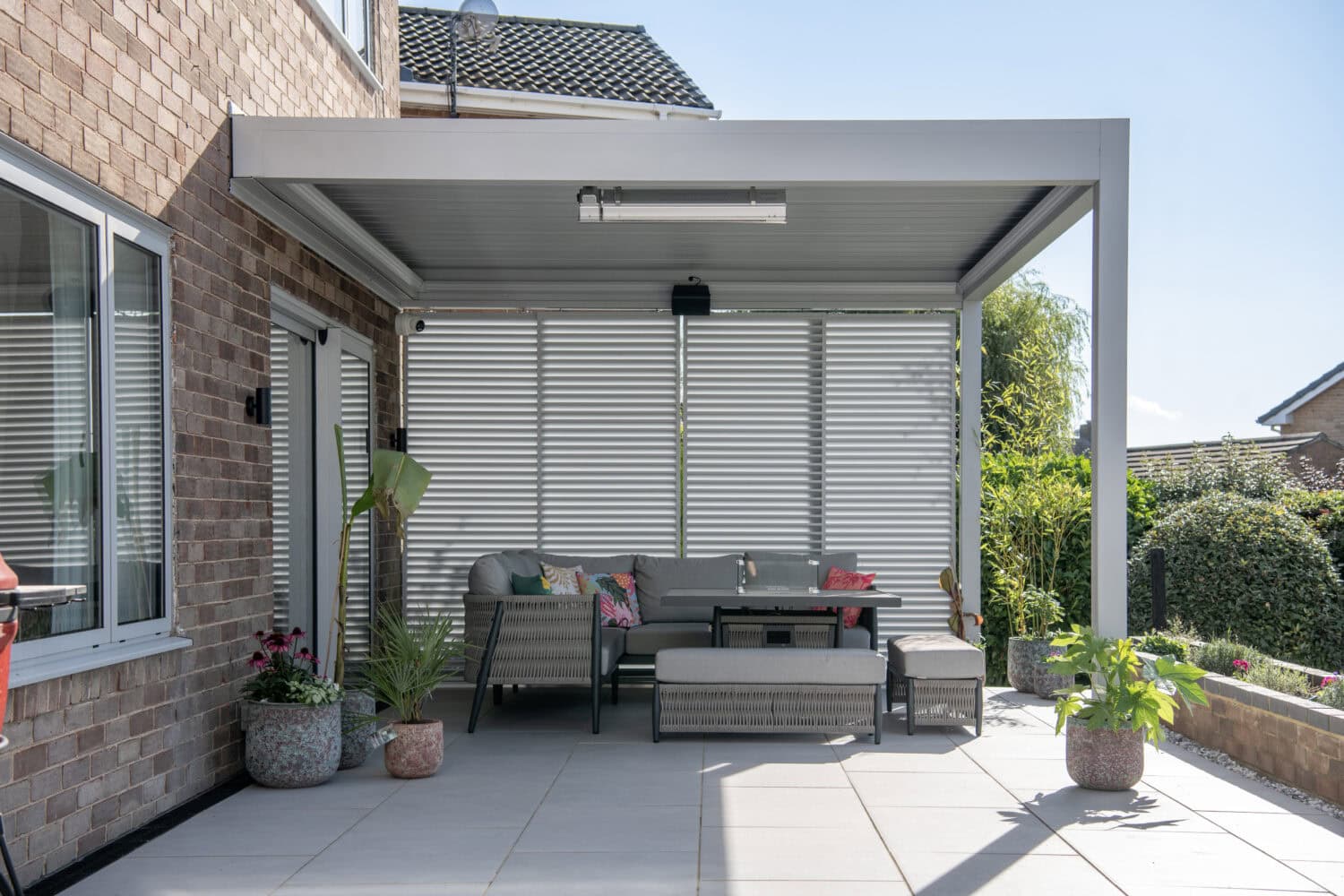
Garden trends in 2025 marked a turning point in how outdoor space is planned and used across the UK. The focus moved firmly towards long term value, daily usability, and considered design choices that respond to modern life.
As homeowners continue to invest in glazed structures, pergolas and connected living areas, the lessons learned in 2025 continue to guide how gardens are designed today. The garden is no longer a side project, but a fully integrated part of the home environment.
If you would like to explore how these ideas could work for your own space, visit our showroom and explore our collection of outdoor aluminium structures for 2026 inspiration.